
Bioinks for 3D bioprinting Industry Research:the global market is projected to reach approximately US$733.76 million by 2032
クレジット

Bioinks for 3D bioprinting
Bioinks for 3D bioprinting Industry Research:the global market is projected to reach approximately US$733.76 million by 2032
The global market for 3D Bioprinting Bioink was estimated to be worth US$ 224 million in 2025 and is projected to reach US$ 734 million, growing at a CAGR of 18.5% from 2026 to 2032.
Global Market Research Publisher QYResearch (QY Research) announces the release of its latest report “3D Bioprinting Bioink - Global Market Share and Ranking, Overall Sales and Demand Forecast 2026-2032”. Based on 2025 market situation and impact historical analysis (2021-2025) and forecast calculations (2026-2032), this report provides a comprehensive analysis of the global 3D Bioprinting Bioink market, including market size, market share, market volume, demand, industry development status, and forecasts for the next few years.
The report provides advanced statistics and information on global market conditions and studies the strategic patterns adopted by renowned players across the globe. As the market is constantly changing, the report explores competition, supply and demand trends, as well as the key factors that contribute to its changing demands across many markets.
【Get a free sample PDF of this report (Including Full TOC, List of Tables & Figures, Chart)】
https://www.qyresearch.com/reports/6836104/3d-bioprinting-bioink
Bioinks for 3D Bioprinting: The Foundational Materials Powering the Shift Toward Human-Relevant Tissue Models and Regenerative Medicine
1. Product Scope and Core Functions
Product Name: Bioinks for 3D Bioprinting
Product Type: Printable biomaterial systems designed to carry, encapsulate, or support living cells and form three-dimensional tissue-like structures
Printing Technologies: Compatible with extrusion, inkjet, light-based (DLP, SLA), and volumetric bioprinting platforms
Commercial Formats: Ready-to-use acellular formulations, reconstitutable lyophilized precursors, photocrosslinkable kits, and tissue-specific matrices
Preparation: Mixed with cells, culture media, growth factors, or other bioactive components before use
Core Materials: Collagen, gelatin and GelMA, alginate, hyaluronic acid, fibrin, decellularized extracellular matrix (dECM), nanofibrillar cellulose, PEG, and composite hydrogels
Key Requirements: Biocompatibility, tunable rheology, shear-thinning behavior, shape fidelity, mild crosslinking, nutrient transport, high cell viability, and controlled degradation
Major Applications: Tissue engineering, drug discovery and toxicology testing, disease models, organoids, personalized medicine, and regenerative medicine research
2. Accelerating Market Expansion
The global bioinks market is experiencing robust growth, driven by the wider adoption of 3D cell culture, the rapid development of organoids and microphysiological systems, and growing pharmaceutical demand for human-relevant in vitro models
The expanding installed base of bioprinters across academic, pharmaceutical, and clinical research settings is creating sustained demand for standardized, high-performance bioink formulations
On the supply side, leading companies are investing heavily in low-endotoxin and sterile production, animal-component replacement, recombinant human proteins, tissue-specific formulations, ready-to-use packaging, and compatibility with multiple printing platforms
The industry is undergoing a fundamental shift from laboratory self-formulation toward standardized commercial reagents, with future growth expected to come primarily from drug discovery and toxicology testing, disease models, high-throughput organoid printing, soft-tissue engineering, and regenerative medicine
Regulatory developments, including the FDA's 2025 roadmap to reduce animal testing and its 2026 draft guidance on New Approach Methodologies, are significantly improving the demand environment for human-relevant 3D models and the bioinks that enable them
3. Competitive Landscape and Leading Players
The global market features competition among integrated bioprinting platforms, specialist biomaterial suppliers, and tissue-specific technology companies, creating a dynamic and moderately fragmented competitive environment
First-tier players include BICO (through CELLINK and Advanced BioMatrix) and 3D Systems (through Allevi), which offer comprehensive portfolios combining bioprinters, bioinks, software, and application services
BICO's acquisition of Advanced BioMatrix in 2021 significantly strengthened its natural-matrix and biomaterial capabilities, creating a dominant force in the commercial bioink space
The Allevi platform is used in hundreds of laboratories worldwide, providing integrated solutions that combine hardware, materials, and technical expertise
Second-tier competitors include CollPlant, BIO INX, UPM Biomedicals, Merck/Sigma-Aldrich, and other specialist suppliers, each carving distinct niches through differentiated technologies
CollPlant focuses on plant-derived recombinant human collagen and photocurable bioinks, launching the ready-to-print BioFlex kit for DLP bioprinting in 2026
BIO INX specializes in advanced polymers and crosslinkable formulations, while UPM Biomedicals differentiates through its unique nanofibrillar-cellulose GrowInk range
First-tier companies compete through broad portfolios, printer compatibility, extensive distribution networks, and comprehensive application databases
Second-tier companies differentiate through recombinant proteins, animal-free materials, tissue-specific formulations, and proprietary crosslinking systems
Future competition will increasingly center on batch consistency, sterility and endotoxin control, long-term cell performance, validated application data, hardware–material integration, and standardized pharmaceutical workflows
4. Product Structure and Application Direction
Protein-Based Bioinks: Include collagen, gelatin, and GelMA, widely used for their excellent cell-adhesion properties and biological functionality
Polysaccharide-Based Bioinks: Include alginate, hyaluronic acid, nanofibrillar cellulose, and chitosan, offering tunable rheology ideal for extrusion printing and soft-tissue models
Decellularized ECM and Tissue-Specific Bioinks: Retain biochemical cues associated with source tissues, used in liver, cardiac, cartilage, skin, and adipose models
Synthetic and Hybrid Photocurable Bioinks: Include PEG and PEGDA systems, providing tunable mechanical properties and rapid crosslinking for DLP and high-resolution printing
Collagen, GelMA, alginate, hyaluronic acid, PEG, and decellularized ECM remain the most common commercial material platforms
Tissue engineering and regenerative medicine research remains the largest application area, covering skin, cartilage, bone, vascular, neural, cardiac, and soft-tissue constructs
Drug discovery and toxicology testing is one of the fastest-growing applications, driven by demand for human-relevant liver, tumor, cardiac, and other tissue models
Disease modeling and organoid printing support research into disease mechanisms, patient variability, and personalized treatment responses
Faster-growing product categories include ready-to-use low-endotoxin bioinks, recombinant human collagen, animal-component-controlled materials, tissue-specific ECM, DLP and volumetric-printing formulations, and standardized materials designed for multiwell plates and high-throughput screening
5. Regional Landscape and Market Opportunities
Europe and North America are the principal development, production, and consumption regions, hosting the majority of leading companies and advanced research institutions
Europe is home to CELLINK, BIO INX, and UPM Biomedicals, with established strengths in biofabrication, non-animal methods, tissue engineering, and regenerative medicine
The United States hosts Advanced BioMatrix, 3D Systems/Allevi, and a large base of pharmaceutical, biotechnology, and academic customers driving innovation and adoption
Israel has developed a differentiated position in recombinant human collagen and regenerative-medicine bioinks through companies such as CollPlant
North America and Europe remain the core markets for premium commercial bioinks, while China, Japan, and South Korea are growing faster as domestic bioprinter development, organoid research, innovative-drug screening, cell therapy, and regenerative medicine expand
International suppliers are increasingly using local distributors and technical-service partners, as illustrated by BIO INX's distribution expansion in Japan and Europe
Regional opportunities are concentrated in localized filling and cold-chain services, standardized research reagents, printer-compatibility validation, local-language protocols, pharmaceutical co-development, and formulations optimized for locally installed bioprinting platforms
6. Supply Chain and Value Links
Upstream inputs include research- or medical-grade collagen, gelatin, hyaluronic acid, alginate, nanofibrillar cellulose, fibrin, decellularized ECM, PEG and other polymers, photoinitiators such as LAP, ionic crosslinkers, buffers, culture media, bioactive additives, sterile packaging, and lyophilization consumables
Core equipment includes extrusion, inkjet, laser-assisted, DLP, and volumetric bioprinters, as well as rheology testing, aseptic filling, lyophilization, and cell-culture equipment
Midstream activities encompass purification, chemical modification, methacrylation, composite formulation, rheology control, sterilization, freeze-drying or prefilled-syringe packaging, quality testing, printing-parameter validation, and tissue-specific application development
Downstream users include universities, research institutes, pharmaceutical and biotechnology companies, CROs, organoid and microphysiological-system developers, hospital research platforms, medical-device companies, and regenerative-medicine developers
Value concentration resides in high-purity and low-endotoxin raw materials, reproducible rheology and crosslinking, long-term cell performance, tissue-specific functionality, batch consistency, sterile quality systems, cross-platform compatibility, and validated application protocols
Future supply-chain development will include biomaterial companies expanding into printers and workflows, printer manufacturers extending into proprietary consumables, and pharmaceutical or model-development companies participating in joint formulation programs
Animal-free materials, recombinant proteins, ready-to-use kits, tissue-specific formulations, and GMP-grade inputs are expected to capture a growing share of value
7. Regulatory Requirements and Technical Entry Barriers
The FDA's 2025 roadmap supports reduced reliance on animal testing through organoids, organ-on-chip systems, and other human-relevant methods, while its 2026 draft guidance provides a validation framework for New Approach Methodologies in drug development
These policies do not constitute direct approval of bioink products but support broader adoption of standardized human 3D models across pharmaceutical R&D
Many commercial bioinks remain research-use-only products, with translation into regulatory submissions, clinical tissue manufacturing, or implantable constructs requiring additional controls
Key regulatory requirements include raw-material traceability, sterility, endotoxin control, residual crosslinker limits, cytotoxicity testing, degradation profiling, mechanical performance validation, and batch-to-batch consistency
Technical barriers include biomaterial purity, coordination of rheology and crosslinking, compatibility with diverse cell types, long-term culture stability, vascularization, nutrient transport, and printer-specific validation
Additional challenges include competition from laboratory-made formulations, high product prices, variability in user procedures, cold-chain requirements, formulation intellectual property, and uncertain regulatory pathways for final applications
8. Future Trends and Competitive Outlook
Evolution Toward Tissue-Specific Platforms: Bioinks will evolve from general-purpose hydrogels toward tissue-specific, ready-to-use, animal-component-controlled, and humanized material platforms tailored to specific applications
Performance Intensification: Development priorities will include low endotoxin, sterile prefilled formats, recombinant human collagen, controlled degradation, multimaterial printing, visible-light crosslinking, and DLP and volumetric-printing compatibility
High-Throughput Integration: Standardized materials designed for multiwell plates and high-throughput screening will enable pharmaceutical companies to scale organoid and microphysiological-system applications
Customer Base Expansion: Pharmaceutical companies, CROs, and biotechnology companies are expected to become faster-growing customer groups as organoids, microphysiological systems, and human-relevant models gain adoption
Hardware-Material Convergence: Deeper integration between bioprinter manufacturers and bioink suppliers will create seamless workflows and optimized performance across platforms
Competitive Differentiation: Competition will increasingly be determined by validated tissue-model data, integrated hardware–material solutions, global distribution capabilities, and pharmaceutical co-development partnerships
Sustainable Advantage: Suppliers with robust quality systems, comprehensive application databases, strong intellectual property portfolios, and established customer relationships will build lasting competitive advantages in this rapidly evolving market
Regulatory Tailwinds: Ongoing regulatory support for human-relevant models will continue to accelerate adoption and create new opportunities for commercial bioink suppliers positioned to meet pharmaceutical industry requirements
The report provides a detailed analysis of the market size, growth potential, and key trends for each segment. Through detailed analysis, industry players can identify profit opportunities, develop strategies for specific customer segments, and allocate resources effectively.
The 3D Bioprinting Bioink market is segmented as below:
By Company
CELLINK
Advanced BioMatrix
3D Systems
REGENHU
TheWell Bioscience
CollPlant
UPM Biomedicals
Rousselot
BIO INX
Gelomics
TissueLabs
Axolotl Biosciences
Humabiologics
SunP Biotech
Regenovo
Nippi
Manchester BIOGEL
Merck
Segment by Type
Gelatin and GelMA Bioinks
Collagen Bioinks
Alginate and Nanocellulose Bioinks
Hyaluronic Acid Bioinks
Fibrin Bioinks
Decellularized ECM Bioinks
PEG and Synthetic Polymer Bioinks
Composite Bioinks
Segment by Application
Tissue Engineering Research
Drug Screening and Toxicity Testing
Disease Modeling and Organoids
Regenerative Medicine Development
Organ-on-Chip and Microphysiological Systems
Cosmetic and Personal Care Testing
Each chapter of the report provides detailed information for readers to further understand the 3D Bioprinting Bioink market:
Chapter 1: Introduces the report scope of the 3D Bioprinting Bioink report, global total market size (valve, volume and price). This chapter also provides the market dynamics, latest developments of the market, the driving factors and restrictive factors of the market, the challenges and risks faced by manufacturers in the industry, and the analysis of relevant policies in the industry. (2021-2032)
Chapter 2: Detailed analysis of 3D Bioprinting Bioink manufacturers competitive landscape, price, sales and revenue market share, latest development plan, merger, and acquisition information, etc. (2021-2026)
Chapter 3: Provides the analysis of various 3D Bioprinting Bioink market segments by Type, covering the market size and development potential of each market segment, to help readers find the blue ocean market in different market segments. (2021-2032)
Chapter 4: Provides the analysis of various market segments by Application, covering the market size and development potential of each market segment, to help readers find the blue ocean market in different downstream markets.(2021-2032)
Chapter 5: Sales, revenue of 3D Bioprinting Bioink in regional level. It provides a quantitative analysis of the market size and development potential of each region and introduces the market development, future development prospects, market space, and market size of each country in the world..(2021-2032)
Chapter 6: Sales, revenue of 3D Bioprinting Bioink in country level. It provides sigmate data by Type, and by Application for each country/region.(2021-2032)
Chapter 7: Provides profiles of key players, introducing the basic situation of the main companies in the market in detail, including product sales, revenue, price, gross margin, product introduction, recent development, etc. (2021-2026)
Chapter 8: Analysis of industrial chain, including the upstream and downstream of the industry.
Chapter 9: Conclusion.
Benefits of purchasing QYResearch report:
Competitive Analysis: QYResearch provides in-depth 3D Bioprinting Bioink competitive analysis, including information on key company profiles, new entrants, acquisitions, mergers, large market shear, opportunities, and challenges. These analyses provide clients with a comprehensive understanding of market conditions and competitive dynamics, enabling them to develop effective market strategies and maintain their competitive edge.
Industry Analysis: QYResearch provides 3D Bioprinting Bioink comprehensive industry data and trend analysis, including raw material analysis, market application analysis, product type analysis, market demand analysis, market supply analysis, downstream market analysis, and supply chain analysis.
and trend analysis. These analyses help clients understand the direction of industry development and make informed business decisions.
Market Size: QYResearch provides 3D Bioprinting Bioink market size analysis, including capacity, production, sales, production value, price, cost, and profit analysis. This data helps clients understand market size and development potential, and is an important reference for business development.
About Us:
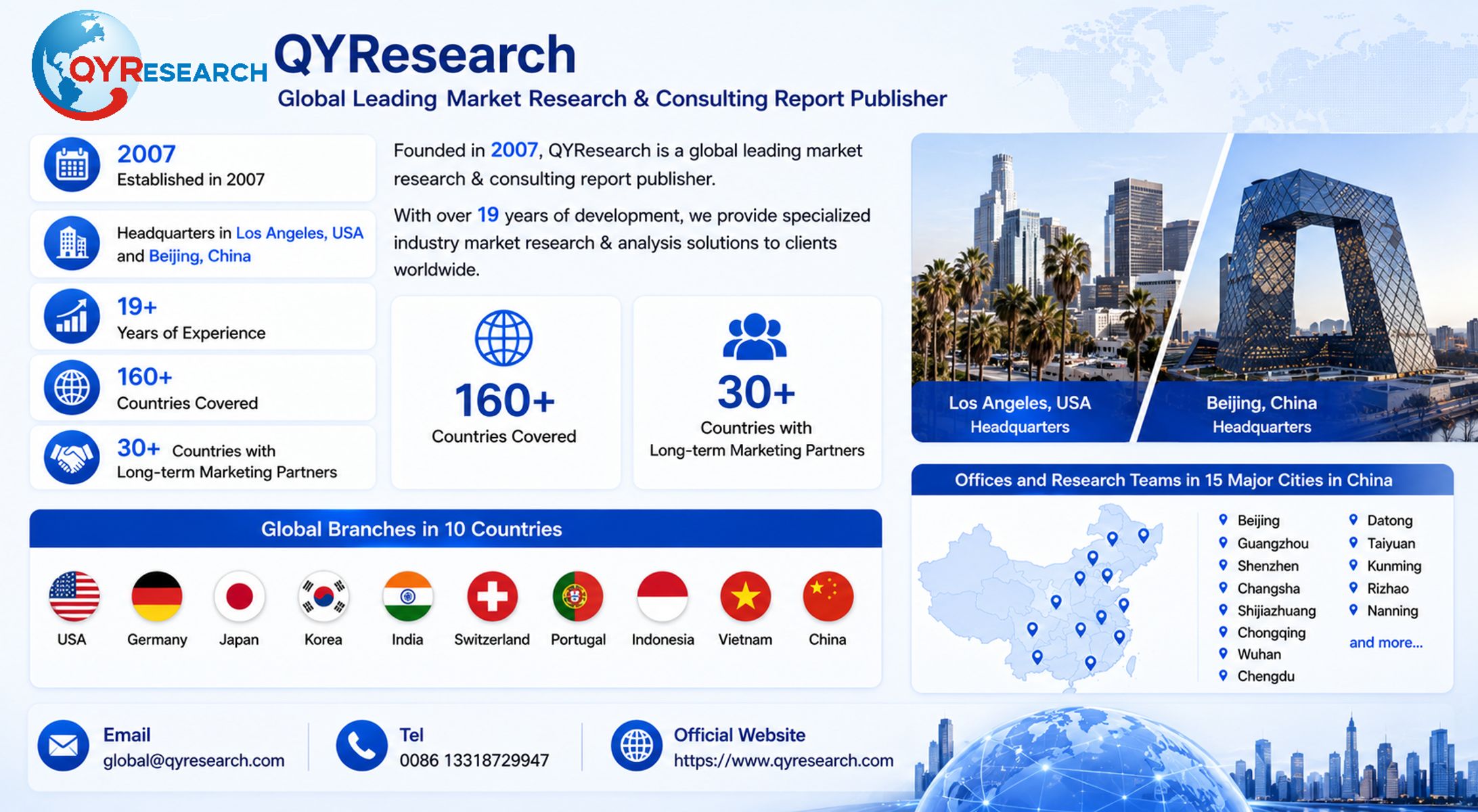
QYResearch founded in California, USA in 2007, which is a leading global market research and consulting company. Our primary business include market research reports, custom reports, commissioned research, IPO consultancy, business plans, etc. With over 19 years of experience and a dedicated research team, we are well placed to provide useful information and data for your business, and we have established offices in 7 countries (include United States, Germany, Switzerland, Japan, Korea, China and India) and business partners in over 30 countries. We have provided industrial information services to more than 60,000 companies in over the world.
Contact Us:
If you have any queries regarding this report or if you would like further information, please contact us:
QY Research Inc.
Add: 17890 Castleton Street Suite 369 City of Industry CA 91748 United States
EN: https://www.qyresearch.com
E-mail: global@qyresearch.com
Tel: 001-626-842-1666(US)
JP: https://www.qyresearch.co.jp
クレジット
Bioinks for 3D bioprinting


あなたのforiioを無料で作成
Bioinks for 3D bioprinting Industry Research:the global market is projected to reach approximately US$733.76 million by 2032
The global market for 3D Bioprinting Bioink was estimated to be worth US$ 224 million in 2025 and is projected to reach US$ 734 million, growing at a CAGR of 18.5% from 2026 to 2032.
Global Market Research Publisher QYResearch (QY Research) announces the release of its latest report “3D Bioprinting Bioink - Global Market Share and Ranking, Overall Sales and Demand Forecast 2026-2032”. Based on 2025 market situation and impact historical analysis (2021-2025) and forecast calculations (2026-2032), this report provides a comprehensive analysis of the global 3D Bioprinting Bioink market, including market size, market share, market volume, demand, industry development status, and forecasts for the next few years.
The report provides advanced statistics and information on global market conditions and studies the strategic patterns adopted by renowned players across the globe. As the market is constantly changing, the report explores competition, supply and demand trends, as well as the key factors that contribute to its changing demands across many markets.
【Get a free sample PDF of this report (Including Full TOC, List of Tables & Figures, Chart)】
https://www.qyresearch.com/reports/6836104/3d-bioprinting-bioink
Bioinks for 3D Bioprinting: The Foundational Materials Powering the Shift Toward Human-Relevant Tissue Models and Regenerative Medicine
1. Product Scope and Core Functions
Product Name: Bioinks for 3D Bioprinting
Product Type: Printable biomaterial systems designed to carry, encapsulate, or support living cells and form three-dimensional tissue-like structures
Printing Technologies: Compatible with extrusion, inkjet, light-based (DLP, SLA), and volumetric bioprinting platforms
Commercial Formats: Ready-to-use acellular formulations, reconstitutable lyophilized precursors, photocrosslinkable kits, and tissue-specific matrices
Preparation: Mixed with cells, culture media, growth factors, or other bioactive components before use
Core Materials: Collagen, gelatin and GelMA, alginate, hyaluronic acid, fibrin, decellularized extracellular matrix (dECM), nanofibrillar cellulose, PEG, and composite hydrogels
Key Requirements: Biocompatibility, tunable rheology, shear-thinning behavior, shape fidelity, mild crosslinking, nutrient transport, high cell viability, and controlled degradation
Major Applications: Tissue engineering, drug discovery and toxicology testing, disease models, organoids, personalized medicine, and regenerative medicine research
2. Accelerating Market Expansion
The global bioinks market is experiencing robust growth, driven by the wider adoption of 3D cell culture, the rapid development of organoids and microphysiological systems, and growing pharmaceutical demand for human-relevant in vitro models
The expanding installed base of bioprinters across academic, pharmaceutical, and clinical research settings is creating sustained demand for standardized, high-performance bioink formulations
On the supply side, leading companies are investing heavily in low-endotoxin and sterile production, animal-component replacement, recombinant human proteins, tissue-specific formulations, ready-to-use packaging, and compatibility with multiple printing platforms
The industry is undergoing a fundamental shift from laboratory self-formulation toward standardized commercial reagents, with future growth expected to come primarily from drug discovery and toxicology testing, disease models, high-throughput organoid printing, soft-tissue engineering, and regenerative medicine
Regulatory developments, including the FDA's 2025 roadmap to reduce animal testing and its 2026 draft guidance on New Approach Methodologies, are significantly improving the demand environment for human-relevant 3D models and the bioinks that enable them
3. Competitive Landscape and Leading Players
The global market features competition among integrated bioprinting platforms, specialist biomaterial suppliers, and tissue-specific technology companies, creating a dynamic and moderately fragmented competitive environment
First-tier players include BICO (through CELLINK and Advanced BioMatrix) and 3D Systems (through Allevi), which offer comprehensive portfolios combining bioprinters, bioinks, software, and application services
BICO's acquisition of Advanced BioMatrix in 2021 significantly strengthened its natural-matrix and biomaterial capabilities, creating a dominant force in the commercial bioink space
The Allevi platform is used in hundreds of laboratories worldwide, providing integrated solutions that combine hardware, materials, and technical expertise
Second-tier competitors include CollPlant, BIO INX, UPM Biomedicals, Merck/Sigma-Aldrich, and other specialist suppliers, each carving distinct niches through differentiated technologies
CollPlant focuses on plant-derived recombinant human collagen and photocurable bioinks, launching the ready-to-print BioFlex kit for DLP bioprinting in 2026
BIO INX specializes in advanced polymers and crosslinkable formulations, while UPM Biomedicals differentiates through its unique nanofibrillar-cellulose GrowInk range
First-tier companies compete through broad portfolios, printer compatibility, extensive distribution networks, and comprehensive application databases
Second-tier companies differentiate through recombinant proteins, animal-free materials, tissue-specific formulations, and proprietary crosslinking systems
Future competition will increasingly center on batch consistency, sterility and endotoxin control, long-term cell performance, validated application data, hardware–material integration, and standardized pharmaceutical workflows
4. Product Structure and Application Direction
Protein-Based Bioinks: Include collagen, gelatin, and GelMA, widely used for their excellent cell-adhesion properties and biological functionality
Polysaccharide-Based Bioinks: Include alginate, hyaluronic acid, nanofibrillar cellulose, and chitosan, offering tunable rheology ideal for extrusion printing and soft-tissue models
Decellularized ECM and Tissue-Specific Bioinks: Retain biochemical cues associated with source tissues, used in liver, cardiac, cartilage, skin, and adipose models
Synthetic and Hybrid Photocurable Bioinks: Include PEG and PEGDA systems, providing tunable mechanical properties and rapid crosslinking for DLP and high-resolution printing
Collagen, GelMA, alginate, hyaluronic acid, PEG, and decellularized ECM remain the most common commercial material platforms
Tissue engineering and regenerative medicine research remains the largest application area, covering skin, cartilage, bone, vascular, neural, cardiac, and soft-tissue constructs
Drug discovery and toxicology testing is one of the fastest-growing applications, driven by demand for human-relevant liver, tumor, cardiac, and other tissue models
Disease modeling and organoid printing support research into disease mechanisms, patient variability, and personalized treatment responses
Faster-growing product categories include ready-to-use low-endotoxin bioinks, recombinant human collagen, animal-component-controlled materials, tissue-specific ECM, DLP and volumetric-printing formulations, and standardized materials designed for multiwell plates and high-throughput screening
5. Regional Landscape and Market Opportunities
Europe and North America are the principal development, production, and consumption regions, hosting the majority of leading companies and advanced research institutions
Europe is home to CELLINK, BIO INX, and UPM Biomedicals, with established strengths in biofabrication, non-animal methods, tissue engineering, and regenerative medicine
The United States hosts Advanced BioMatrix, 3D Systems/Allevi, and a large base of pharmaceutical, biotechnology, and academic customers driving innovation and adoption
Israel has developed a differentiated position in recombinant human collagen and regenerative-medicine bioinks through companies such as CollPlant
North America and Europe remain the core markets for premium commercial bioinks, while China, Japan, and South Korea are growing faster as domestic bioprinter development, organoid research, innovative-drug screening, cell therapy, and regenerative medicine expand
International suppliers are increasingly using local distributors and technical-service partners, as illustrated by BIO INX's distribution expansion in Japan and Europe
Regional opportunities are concentrated in localized filling and cold-chain services, standardized research reagents, printer-compatibility validation, local-language protocols, pharmaceutical co-development, and formulations optimized for locally installed bioprinting platforms
6. Supply Chain and Value Links
Upstream inputs include research- or medical-grade collagen, gelatin, hyaluronic acid, alginate, nanofibrillar cellulose, fibrin, decellularized ECM, PEG and other polymers, photoinitiators such as LAP, ionic crosslinkers, buffers, culture media, bioactive additives, sterile packaging, and lyophilization consumables
Core equipment includes extrusion, inkjet, laser-assisted, DLP, and volumetric bioprinters, as well as rheology testing, aseptic filling, lyophilization, and cell-culture equipment
Midstream activities encompass purification, chemical modification, methacrylation, composite formulation, rheology control, sterilization, freeze-drying or prefilled-syringe packaging, quality testing, printing-parameter validation, and tissue-specific application development
Downstream users include universities, research institutes, pharmaceutical and biotechnology companies, CROs, organoid and microphysiological-system developers, hospital research platforms, medical-device companies, and regenerative-medicine developers
Value concentration resides in high-purity and low-endotoxin raw materials, reproducible rheology and crosslinking, long-term cell performance, tissue-specific functionality, batch consistency, sterile quality systems, cross-platform compatibility, and validated application protocols
Future supply-chain development will include biomaterial companies expanding into printers and workflows, printer manufacturers extending into proprietary consumables, and pharmaceutical or model-development companies participating in joint formulation programs
Animal-free materials, recombinant proteins, ready-to-use kits, tissue-specific formulations, and GMP-grade inputs are expected to capture a growing share of value
7. Regulatory Requirements and Technical Entry Barriers
The FDA's 2025 roadmap supports reduced reliance on animal testing through organoids, organ-on-chip systems, and other human-relevant methods, while its 2026 draft guidance provides a validation framework for New Approach Methodologies in drug development
These policies do not constitute direct approval of bioink products but support broader adoption of standardized human 3D models across pharmaceutical R&D
Many commercial bioinks remain research-use-only products, with translation into regulatory submissions, clinical tissue manufacturing, or implantable constructs requiring additional controls
Key regulatory requirements include raw-material traceability, sterility, endotoxin control, residual crosslinker limits, cytotoxicity testing, degradation profiling, mechanical performance validation, and batch-to-batch consistency
Technical barriers include biomaterial purity, coordination of rheology and crosslinking, compatibility with diverse cell types, long-term culture stability, vascularization, nutrient transport, and printer-specific validation
Additional challenges include competition from laboratory-made formulations, high product prices, variability in user procedures, cold-chain requirements, formulation intellectual property, and uncertain regulatory pathways for final applications
8. Future Trends and Competitive Outlook
Evolution Toward Tissue-Specific Platforms: Bioinks will evolve from general-purpose hydrogels toward tissue-specific, ready-to-use, animal-component-controlled, and humanized material platforms tailored to specific applications
Performance Intensification: Development priorities will include low endotoxin, sterile prefilled formats, recombinant human collagen, controlled degradation, multimaterial printing, visible-light crosslinking, and DLP and volumetric-printing compatibility
High-Throughput Integration: Standardized materials designed for multiwell plates and high-throughput screening will enable pharmaceutical companies to scale organoid and microphysiological-system applications
Customer Base Expansion: Pharmaceutical companies, CROs, and biotechnology companies are expected to become faster-growing customer groups as organoids, microphysiological systems, and human-relevant models gain adoption
Hardware-Material Convergence: Deeper integration between bioprinter manufacturers and bioink suppliers will create seamless workflows and optimized performance across platforms
Competitive Differentiation: Competition will increasingly be determined by validated tissue-model data, integrated hardware–material solutions, global distribution capabilities, and pharmaceutical co-development partnerships
Sustainable Advantage: Suppliers with robust quality systems, comprehensive application databases, strong intellectual property portfolios, and established customer relationships will build lasting competitive advantages in this rapidly evolving market
Regulatory Tailwinds: Ongoing regulatory support for human-relevant models will continue to accelerate adoption and create new opportunities for commercial bioink suppliers positioned to meet pharmaceutical industry requirements
The report provides a detailed analysis of the market size, growth potential, and key trends for each segment. Through detailed analysis, industry players can identify profit opportunities, develop strategies for specific customer segments, and allocate resources effectively.
The 3D Bioprinting Bioink market is segmented as below:
By Company
CELLINK
Advanced BioMatrix
3D Systems
REGENHU
TheWell Bioscience
CollPlant
UPM Biomedicals
Rousselot
BIO INX
Gelomics
TissueLabs
Axolotl Biosciences
Humabiologics
SunP Biotech
Regenovo
Nippi
Manchester BIOGEL
Merck
Segment by Type
Gelatin and GelMA Bioinks
Collagen Bioinks
Alginate and Nanocellulose Bioinks
Hyaluronic Acid Bioinks
Fibrin Bioinks
Decellularized ECM Bioinks
PEG and Synthetic Polymer Bioinks
Composite Bioinks
Segment by Application
Tissue Engineering Research
Drug Screening and Toxicity Testing
Disease Modeling and Organoids
Regenerative Medicine Development
Organ-on-Chip and Microphysiological Systems
Cosmetic and Personal Care Testing
Each chapter of the report provides detailed information for readers to further understand the 3D Bioprinting Bioink market:
Chapter 1: Introduces the report scope of the 3D Bioprinting Bioink report, global total market size (valve, volume and price). This chapter also provides the market dynamics, latest developments of the market, the driving factors and restrictive factors of the market, the challenges and risks faced by manufacturers in the industry, and the analysis of relevant policies in the industry. (2021-2032)
Chapter 2: Detailed analysis of 3D Bioprinting Bioink manufacturers competitive landscape, price, sales and revenue market share, latest development plan, merger, and acquisition information, etc. (2021-2026)
Chapter 3: Provides the analysis of various 3D Bioprinting Bioink market segments by Type, covering the market size and development potential of each market segment, to help readers find the blue ocean market in different market segments. (2021-2032)
Chapter 4: Provides the analysis of various market segments by Application, covering the market size and development potential of each market segment, to help readers find the blue ocean market in different downstream markets.(2021-2032)
Chapter 5: Sales, revenue of 3D Bioprinting Bioink in regional level. It provides a quantitative analysis of the market size and development potential of each region and introduces the market development, future development prospects, market space, and market size of each country in the world..(2021-2032)
Chapter 6: Sales, revenue of 3D Bioprinting Bioink in country level. It provides sigmate data by Type, and by Application for each country/region.(2021-2032)
Chapter 7: Provides profiles of key players, introducing the basic situation of the main companies in the market in detail, including product sales, revenue, price, gross margin, product introduction, recent development, etc. (2021-2026)
Chapter 8: Analysis of industrial chain, including the upstream and downstream of the industry.
Chapter 9: Conclusion.
Benefits of purchasing QYResearch report:
Competitive Analysis: QYResearch provides in-depth 3D Bioprinting Bioink competitive analysis, including information on key company profiles, new entrants, acquisitions, mergers, large market shear, opportunities, and challenges. These analyses provide clients with a comprehensive understanding of market conditions and competitive dynamics, enabling them to develop effective market strategies and maintain their competitive edge.
Industry Analysis: QYResearch provides 3D Bioprinting Bioink comprehensive industry data and trend analysis, including raw material analysis, market application analysis, product type analysis, market demand analysis, market supply analysis, downstream market analysis, and supply chain analysis.
and trend analysis. These analyses help clients understand the direction of industry development and make informed business decisions.
Market Size: QYResearch provides 3D Bioprinting Bioink market size analysis, including capacity, production, sales, production value, price, cost, and profit analysis. This data helps clients understand market size and development potential, and is an important reference for business development.
About Us:
QYResearch founded in California, USA in 2007, which is a leading global market research and consulting company. Our primary business include market research reports, custom reports, commissioned research, IPO consultancy, business plans, etc. With over 19 years of experience and a dedicated research team, we are well placed to provide useful information and data for your business, and we have established offices in 7 countries (include United States, Germany, Switzerland, Japan, Korea, China and India) and business partners in over 30 countries. We have provided industrial information services to more than 60,000 companies in over the world.
Contact Us:
If you have any queries regarding this report or if you would like further information, please contact us:
QY Research Inc.
Add: 17890 Castleton Street Suite 369 City of Industry CA 91748 United States
EN: https://www.qyresearch.com
E-mail: global@qyresearch.com
Tel: 001-626-842-1666(US)
JP: https://www.qyresearch.co.jp
クレジット
Bioinks for 3D bioprinting