
Carbon Monoxide (CO) Oxidation Catalyst Industry Research: at a CAGR of 1.6% during the forecast period
クレジット

イラストレーター
Carbon Monoxide (CO) Oxidation Catalyst Industry Research: at a CAGR of 1.6% during the forecast period
Carbon Monoxide (CO) Oxidation Catalyst: Enabling Clean Air and Industrial Safety
Product Definition and Core Function
Carbon monoxide (CO) oxidation catalysts are specialized functional materials that drive a critical chemical reaction: the conversion of toxic carbon monoxide into harmless carbon dioxide (CO₂) through oxidation. These catalysts are engineered to accelerate this reaction and lower the required activation energy, enabling effective CO removal even at lower temperatures. Their active components are typically noble metals like platinum, palladium, and gold, or transition metal oxides such as copper, manganese, and cerium, which are supported on structures like alumina, molecular sieves, or honeycomb ceramics. The ultimate performance of a catalyst is defined by its low-temperature activity, resistance to moisture and sulfur poisoning, thermal stability, and operational service life.
Market Size and Competitive Landscape
The global market for CO oxidation catalysts is a mature and sizable industry, projected to reach USD 3.94 billion by 2032, with a steady compound annual growth rate (CAGR) of 1.6%. This stability is driven by the non-discretionary nature of demand, rooted in enduring environmental and safety regulations.
The competitive field is highly concentrated. A group of established global leaders command a significant majority of the market.
The top five players collectively hold an estimated 68.0% revenue share in 2025.
This leading group includes Johnson Matthey, Umicore, BASF, Cummins, and Yunnan Precious Catalyst, who maintain their dominance through extensive R&D, complex formulation expertise, and long-standing customer integration.
Supply Chain and Industry Structure
The production of CO oxidation catalysts is a sophisticated three-stage process, where mastery at each level determines the quality and reliability of the final product.
3.1 Upstream: Material Science Foundation
The supply chain starts with high-purity materials where performance begins. Active components are split between high-activity noble metals (platinum, palladium, gold) for maximum efficiency applications, and cost-effective non-noble transition metal oxides for broader uses like room-temperature purification. This is combined with critical support materials like alumina, titanium dioxide, and honeycomb ceramics, whose specific surface area, pore structure, and mechanical strength are vital for catalyst dispersion and longevity. The entire upstream cost structure is significantly influenced by volatile precious metal prices and the quality consistency of carriers and rare earth materials.
3.2 Midstream: Engineering and Manufacturing
The midstream is where material science becomes a functional, validated product. This stage encompasses R&D, formulation design, precious metal loading, coating, and molding. Core manufacturers must master the ability to create various product forms—powdered, granular, honeycomb, and coated catalysts—each engineered for a specific purpose. Competitive barriers are high, centered on proprietary formulation technology, the precise control of active component dispersion, deep expertise in anti-poisoning techniques, and the ability to scale up engineering from lab to mass production without performance loss.
3.3 Downstream: Diverse Application Demands
The catalyst's end-use dictates its precise engineering profile, with each sector presenting unique, non-negotiable requirements.
Industrial Gas Treatment: Steel producers like Baowu Steel require catalysts for sintering and coking exhaust that can withstand extreme conditions of high temperature, heavy dust, and high moisture over very long service lives.
Automotive and Engine Exhaust: Engine manufacturers such as Yuchai and Weichai demand diesel oxidation catalysts (DOC) with exceptional low-temperature light-off performance, resistance to sulfur from fuel, and tight integration with DPF and SCR systems to meet China VI and future emission standards.
Heavy-Duty and Non-Road Equipment: Companies like Caterpillar need robust solutions for high-vibration, high-load, and long-duration operations, prioritizing sulfur resistance, carbon deposit resistance, and minimal maintenance across global regulatory environments.
Stationary Power and Gas Turbines: Energy leaders like GE Vernova and Siemens Energy require catalysts with very low pressure drop, extreme thermal stability, and consistent performance at high space velocity for continuous gas turbine operation.
Advanced Purification: The semiconductor and hydrogen energy sectors demand catalysts that deliver ultra-high conversion efficiency with virtually zero impurity introduction for high-purity gas preparation.
Key Industry Trends
The CO oxidation catalyst industry is evolving toward higher performance and greater intelligence. The primary development vectors are low-temperature high efficiency to reduce energy consumption, minimizing the use of costly precious metals without sacrificing activity, and extending operational lifespan to cut replacement costs and waste. The growing complexity of end-user industries like new energy and semiconductors is simultaneously driving a parallel trend toward modular, customized solutions, moving beyond generic products to application-specific, engineered systems.
To contact us and get this report: https://www.qyresearch.com/contact-us
About Us:
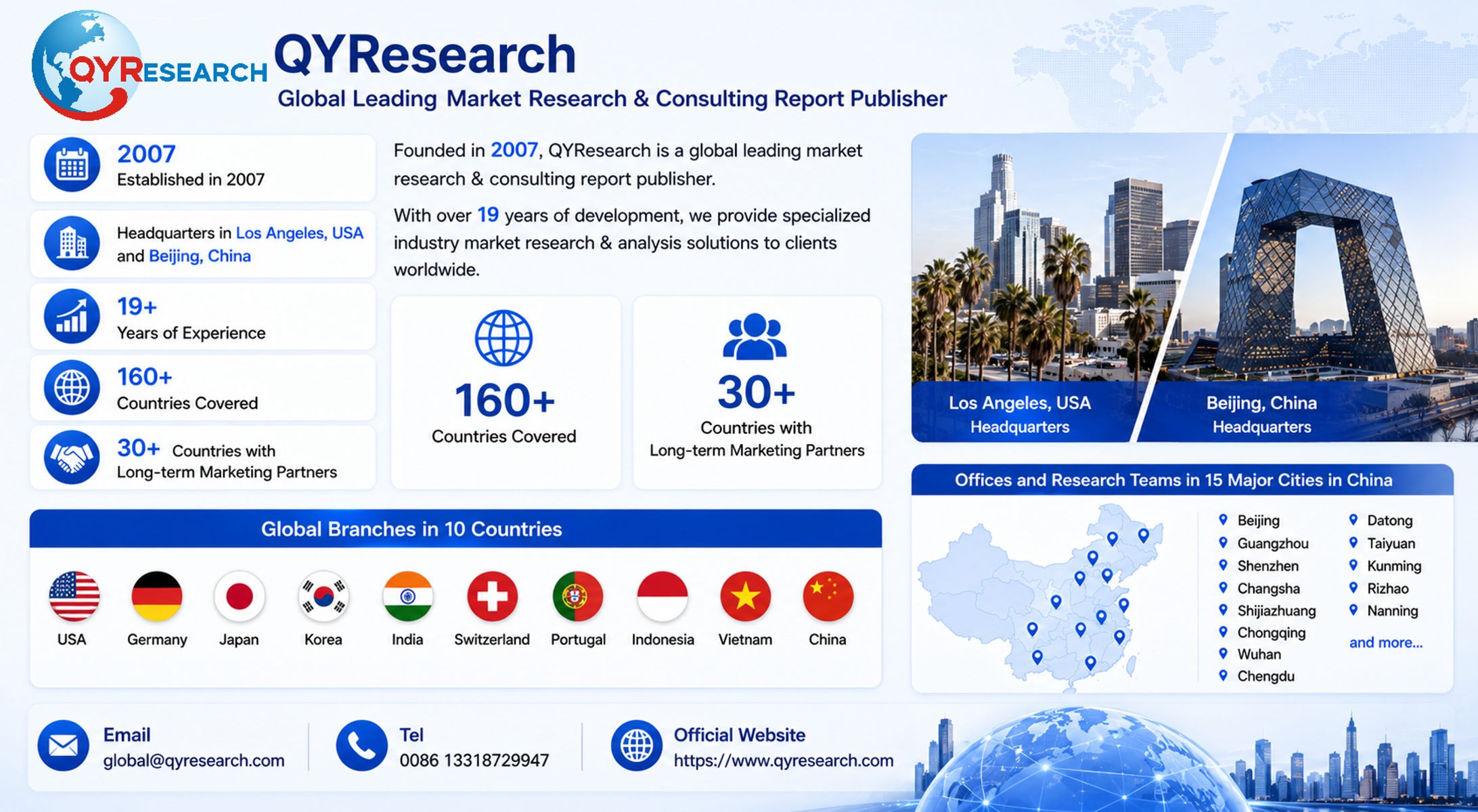
QYResearch founded in California, USA in 2007, which is a leading global market research and consulting company. Our primary business include market research reports, custom reports, commissioned research, IPO consultancy, business plans, etc. With over 19 years of experience and a dedicated research team, we are well placed to provide useful information and data for your business, and we have established offices in 7 countries (include United States, Germany, Switzerland, Japan, Korea, China and India) and business partners in over 30 countries. We have provided industrial information services to more than 60,000 companies in over the world.
Contact Us:
If you have any queries regarding this report or if you would like further information, please contact us:
QY Research Inc.
Add: 17890 Castleton Street Suite 369 City of Industry CA 91748 United States
EN: https://www.qyresearch.com
E-mail: global@qyresearch.com
Tel: 001-626-842-1666(US)
JP: https://www.qyresearch.co.jp
クレジット
イラストレーター


あなたのforiioを無料で作成
Carbon Monoxide (CO) Oxidation Catalyst Industry Research: at a CAGR of 1.6% during the forecast period
Carbon Monoxide (CO) Oxidation Catalyst: Enabling Clean Air and Industrial Safety
Product Definition and Core Function
Carbon monoxide (CO) oxidation catalysts are specialized functional materials that drive a critical chemical reaction: the conversion of toxic carbon monoxide into harmless carbon dioxide (CO₂) through oxidation. These catalysts are engineered to accelerate this reaction and lower the required activation energy, enabling effective CO removal even at lower temperatures. Their active components are typically noble metals like platinum, palladium, and gold, or transition metal oxides such as copper, manganese, and cerium, which are supported on structures like alumina, molecular sieves, or honeycomb ceramics. The ultimate performance of a catalyst is defined by its low-temperature activity, resistance to moisture and sulfur poisoning, thermal stability, and operational service life.
Market Size and Competitive Landscape
The global market for CO oxidation catalysts is a mature and sizable industry, projected to reach USD 3.94 billion by 2032, with a steady compound annual growth rate (CAGR) of 1.6%. This stability is driven by the non-discretionary nature of demand, rooted in enduring environmental and safety regulations.
The competitive field is highly concentrated. A group of established global leaders command a significant majority of the market.
The top five players collectively hold an estimated 68.0% revenue share in 2025.
This leading group includes Johnson Matthey, Umicore, BASF, Cummins, and Yunnan Precious Catalyst, who maintain their dominance through extensive R&D, complex formulation expertise, and long-standing customer integration.
Supply Chain and Industry Structure
The production of CO oxidation catalysts is a sophisticated three-stage process, where mastery at each level determines the quality and reliability of the final product.
3.1 Upstream: Material Science Foundation
The supply chain starts with high-purity materials where performance begins. Active components are split between high-activity noble metals (platinum, palladium, gold) for maximum efficiency applications, and cost-effective non-noble transition metal oxides for broader uses like room-temperature purification. This is combined with critical support materials like alumina, titanium dioxide, and honeycomb ceramics, whose specific surface area, pore structure, and mechanical strength are vital for catalyst dispersion and longevity. The entire upstream cost structure is significantly influenced by volatile precious metal prices and the quality consistency of carriers and rare earth materials.
3.2 Midstream: Engineering and Manufacturing
The midstream is where material science becomes a functional, validated product. This stage encompasses R&D, formulation design, precious metal loading, coating, and molding. Core manufacturers must master the ability to create various product forms—powdered, granular, honeycomb, and coated catalysts—each engineered for a specific purpose. Competitive barriers are high, centered on proprietary formulation technology, the precise control of active component dispersion, deep expertise in anti-poisoning techniques, and the ability to scale up engineering from lab to mass production without performance loss.
3.3 Downstream: Diverse Application Demands
The catalyst's end-use dictates its precise engineering profile, with each sector presenting unique, non-negotiable requirements.
Industrial Gas Treatment: Steel producers like Baowu Steel require catalysts for sintering and coking exhaust that can withstand extreme conditions of high temperature, heavy dust, and high moisture over very long service lives.
Automotive and Engine Exhaust: Engine manufacturers such as Yuchai and Weichai demand diesel oxidation catalysts (DOC) with exceptional low-temperature light-off performance, resistance to sulfur from fuel, and tight integration with DPF and SCR systems to meet China VI and future emission standards.
Heavy-Duty and Non-Road Equipment: Companies like Caterpillar need robust solutions for high-vibration, high-load, and long-duration operations, prioritizing sulfur resistance, carbon deposit resistance, and minimal maintenance across global regulatory environments.
Stationary Power and Gas Turbines: Energy leaders like GE Vernova and Siemens Energy require catalysts with very low pressure drop, extreme thermal stability, and consistent performance at high space velocity for continuous gas turbine operation.
Advanced Purification: The semiconductor and hydrogen energy sectors demand catalysts that deliver ultra-high conversion efficiency with virtually zero impurity introduction for high-purity gas preparation.
Key Industry Trends
The CO oxidation catalyst industry is evolving toward higher performance and greater intelligence. The primary development vectors are low-temperature high efficiency to reduce energy consumption, minimizing the use of costly precious metals without sacrificing activity, and extending operational lifespan to cut replacement costs and waste. The growing complexity of end-user industries like new energy and semiconductors is simultaneously driving a parallel trend toward modular, customized solutions, moving beyond generic products to application-specific, engineered systems.
To contact us and get this report: https://www.qyresearch.com/contact-us
About Us:
QYResearch founded in California, USA in 2007, which is a leading global market research and consulting company. Our primary business include market research reports, custom reports, commissioned research, IPO consultancy, business plans, etc. With over 19 years of experience and a dedicated research team, we are well placed to provide useful information and data for your business, and we have established offices in 7 countries (include United States, Germany, Switzerland, Japan, Korea, China and India) and business partners in over 30 countries. We have provided industrial information services to more than 60,000 companies in over the world.
Contact Us:
If you have any queries regarding this report or if you would like further information, please contact us:
QY Research Inc.
Add: 17890 Castleton Street Suite 369 City of Industry CA 91748 United States
EN: https://www.qyresearch.com
E-mail: global@qyresearch.com
Tel: 001-626-842-1666(US)
JP: https://www.qyresearch.co.jp
クレジット
イラストレーター